


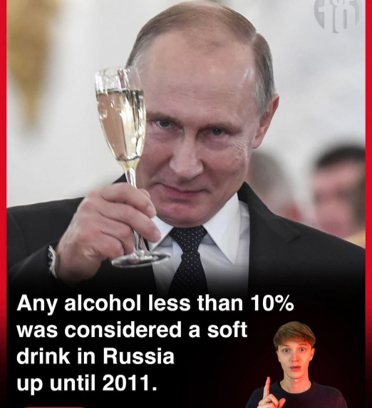
Russia’s curious alcohol law before 2011
For much of modern history, Russia has been associated with vodka and strong spirits. But until 2011, the country had a rather unusual legal definition of what counted as “alcohol.” Drinks containing less than 10% alcohol by volume—such as beer, cider, and many premixed beverages—were not legally classified as alcoholic.
This meant that beer, despite its widespread consumption, was treated more like a soft drink in regulatory terms. It could be sold almost anywhere, at any time of day, and advertising was largely unrestricted. The result was a booming beer market in the 1990s and 2000s, with international brands rushing in to capitalize on Russia’s relaxed rules.
READ MORE: Black Market Dollar To Naira Exchange Rate Today 19th April 2026
The change came in 2011, when lawmakers officially reclassified beer and similar beverages as alcohol. This brought stricter regulations: limits on sales hours, restrictions on advertising, and bans on selling in certain public places. The move was part of a broader effort to address public health concerns and reduce alcohol abuse, which had become a significant social issue.
Looking back, the pre-2011 period highlights how definitions in law can shape everyday life. What wasn’t “alcohol” by statute still had very real effects on health, culture, and society. The reclassification marked a turning point in Russia’s relationship with beer—transforming it from a casual, almost unregulated drink into something recognized as part of the country’s larger alcohol problem.